Thursday, December 5, 2024

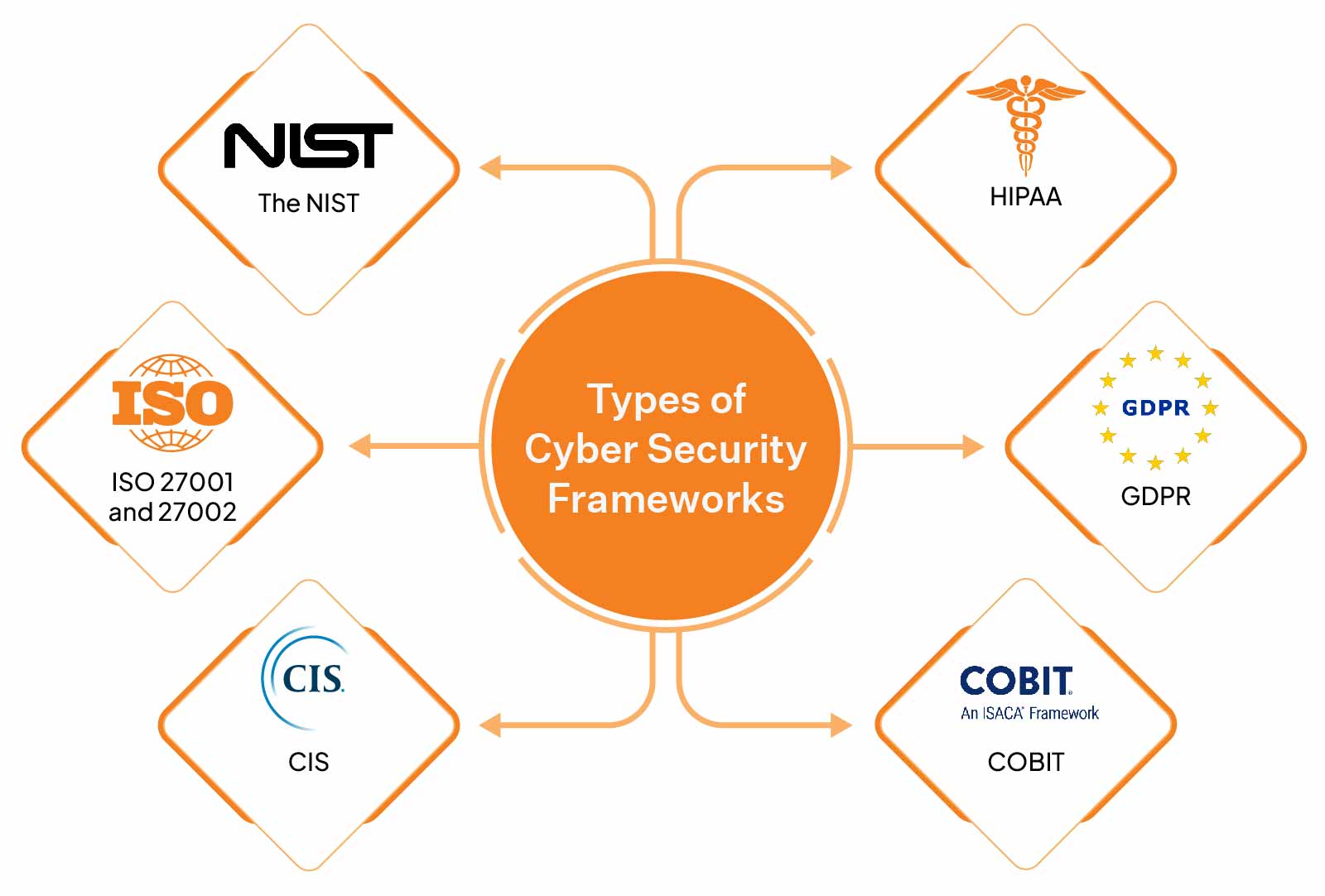
Types of Cyber Security Frameworks


NIST Cybersecurity Framework (CSF)


Developed by the National Institute of Standards and Technology, this framework provides 
an organization with a risk-based approach to cybersecurity using five core functions: Identify, Protect, Detect, Respond, and Recover.

ISO/IEC 27001


leading international standard for information security management systems (ISMS), provides an organization with a risk-based approach to securing information assets.

CIS Controls


(Center for Internet Security)
ranked list of activities that should be implemented to counteract the most prevalent cyber attacks. It has 18 security controls.

HIPAA


Legislation that requires the use of security standards to ensure confidentiality, integrity, and protection of health information in the United States.

GDPR


A regulation that regulates the protection of personal data and privacy of individuals in the European Union.

COBIT


control objectives framework for information and related technologies.
Typically used in financial services, this is focused on governance and management of enterprise IT
.

Tuesday, December 3, 2024

Importence of Cybersecurity and Data Protection in the Healthcare Industry


1. Protection of Sensitive Information:

  • Protected Health Information (PHI): Healthcare organizations maintain large amounts of sensitive information, like medical records, personal data, and financial data. There is a chance of identity theft, fraud, and privacy violations.
  • Compliance to Laws: HIPAA in the United States and GDPR in Europe lay down strict guidelines for protection of data. Non-adherence to laws can also attract severe monetary penalties.


2. Protection of Patient Confidence:

  • Patients expect healthcare providers to safeguard their personal and medical information.
  • A breach can undermine trust, causing reputational damage and losing patients.


3. Operational Continuity:

  • Ransomware Attacks: Cyberattacks can cause disruptions in the functioning of a hospital, delay patient care, and even compromise life-critical devices.
  • Downtime Costs: Prolonged system outages can result in huge financial and operational losses.


4. Medical Devices and IoT:

  • Medical devices that are networked, including pacemakers and insulin pumps, are vulnerable to cyber attacks.
  • Tampering with devices may result from breaches, putting patients at risk.


5. Evolving Threat Landscape:

  • Targeted Attacks: Cybercrime is becoming a very attractive target because of the value of patient information and the criticality of the industry.
  • Phishing and Insider Threats: Human error, in phishing scams or insider data misuse, is a common risk.


6. Financial Implications:

  • Data breaches in healthcare are amongst the most expensive, with fines, remediation, and legal fees.
  • A single breach could cost millions, as shown in high-profile healthcare breaches.


7. Legal and Ethical Responsibility:

  • Healthcare providers have a responsibility to protect patient confidentiality and ensure the security of medical data.
  • Robust Cyber Security Measures to Safeguard Well Being. Of Patient - Ethical


8. Compliance with Regulation:

  • U.S. HIPAA: maintains confidentiality, integrity, availability of electronic PHI (electronic PHI).
  • GDPR : requires strict data protection. Examples would be data minimization and notice of breach. 
  • HITECH Act : Enhancements to HIPAA rules electronic health information.

"Find Out What Your Website’s Missing – Let’s Talk Today"

Cybersecurity for Specific Industries


Cybersecurity for Specific Industries involves tailoring strategies, tools, and policies to address the unique challenges and compliance requirements each sector faces. Below is a breakdown of cybersecurity considerations for major industries:


1. Healthcare:

Challenges:

  • Sensitive patient data (PHI) under strict privacy regulations like HIPAA or GDPR.
  • Increasing ransomware attacks targeting medical devices and systems.

Key Measures:

  • Data Encryption: Protect patient data at rest and in transit.
  • Access Controls: Use role-based access and multi-factor authentication (MFA).
  • Network Segmentation: Isolate critical systems like electronic health records (EHR).
  • Incident Response Plans: Prepare for ransomware attacks with backups and response protocols.


2. Finance and Banking:

Challenges:

  • High-value targets for fraud, phishing, and insider threats.
  • Compliance with PCI DSS, SOX, or ISO 27001.

Key Measures:

  • Fraud Detection Systems: AI-driven tools to detect and prevent fraudulent activities.
  • Endpoint Security: Protect customer devices accessing financial platforms.
  • SIEM & SOAR: Real-time monitoring and automated response.
  • Secure Transactions: Implement tokenization and encryption.


3. Retail and E-Commerce:

Challenges:

  • High volume of credit card data, making them prime targets for data breaches.
  • Vulnerabilities in point-of-sale (POS) systems and online payment platforms.

Key Measures:


  • PCI DSS Compliance: Protect payment data with encryption and secure networks.
  • DDoS Protection: Safeguard e-commerce platforms from denial-of-service attacks.
  • Application Security: Conduct regular security testing on apps and websites.


4. Manufacturing and Industrial (OT/IoT):

Challenges:

  • Legacy systems and operational technology (OT) devices lacking modern security.
  • Growing cyber-physical threats, including industrial espionage and sabotage.

Key Measures:

  • Network Segmentation: Isolate OT networks from IT environments.
  • Endpoint Protection: Safeguard IoT devices with strong authentication.
  • Threat Monitoring: Use solutions designed for industrial control systems (ICS).

  • Patch Management: Regularly update software and firmware for OT systems.


5. Education:

Challenges:

  • Large amounts of personal and financial data on students and staff.
  • Open networks that make institutions vulnerable to breaches.

Key Measures:

  • Secure Wi-Fi: Implement WPA3 encryption and strong password policies.
  • User Education: Train staff and students to recognize phishing attacks.
  • Access Management: Implement least privilege policies for sensitive data.
  • Data Backup: Regularly back up academic and administrative data.


6. Energy and Utilities:

Challenges:

  • Critical infrastructure targeted by nation-state actors and ransomware groups.
  • Regulatory requirements like NERC CIP (North American Electric Reliability Corporation Critical Infrastructure Protection).

Key Measures:

  • ICS/SCADA Security: Protect supervisory control systems.
  • Threat Intelligence: Leverage real-time alerts for nation-state-level attacks.
  • Redundancy: Implement failover systems to maintain operational continuity.


7. Government and Defense:

Challenges:

  • Targeted cyber-espionage and data breaches.
  • Stringent compliance requirements, like FedRAMP and FISMA.

Key Measures:

  • Zero Trust Architecture: Ensure continuous verification for all users and devices.
  • Classified Data Protection: Use air-gapped systems for sensitive projects.
  • Supply Chain Security: Vet and secure third-party vendors.


8. Media and Entertainment:

Challenges:

  • Intellectual property theft and leaks of unreleased content.
  • Growing attack vectors with digital streaming platforms.

Key Measures:

  • Content Protection: Watermark and encrypt digital content.
  • Access Control: Restrict access to pre-release materials.
  • Cloud Security: Secure cloud environments used for rendering and production.


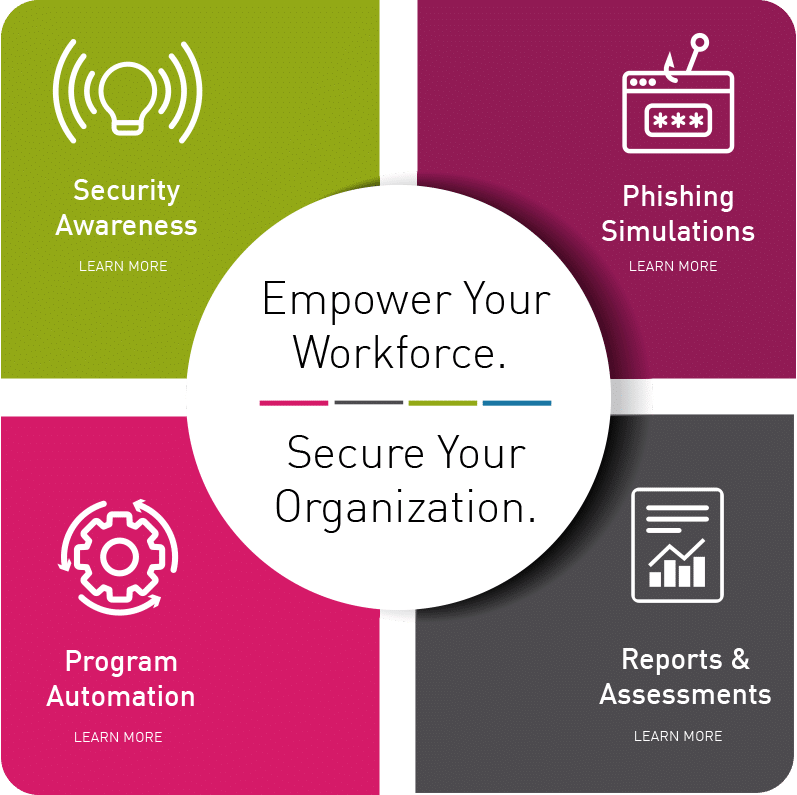
Empower Your Workforce. Secure Your Organization.


mean that the approach to organizational security is balanced between human enablement and robust protection. Here is how these principles can be interpreted as well as implemented:


Empower Your Workforce:

1. Training and Awareness:

  • Equip employees to recognize threats such as phishing, social engineering, or malware.
  • Provide regular updated information on the latest best practices in security.


2. Tools:

  • Provide productivity-enhancing tools that are secure: for example, collaboration platforms that operate securely, password managers.
  • Provide secure remote access with VPN or Zero Trust Network Access.

3. Security-First Culture:

  • Demand accountability and transparency in incident reporting.
  • Reward adherence to security practices through recognition programs.

4. User-Friendly Security:

  • Reduce friction in the use of seamless solutions such as SSO and MFA.
  • Ensure that security solutions are well integrated into the workflow of daily operations.


Secure Your Organisation

1. Comprehensive Cybersecurity Framework:

  • Adopt a layered security approach called defense in depth, which covers network, endpoint, application, and data security.
  • Make use of tools like SIEM for centralized monitoring and incident management.

2. Zero Trust Model:

  • Presume no user or device is inherently trustworthy.
  • Continuously verify access rights based on identity, location, and behavior.

3. Threat Detection and Response:

  • Implement advanced threat intelligence that detects and responds to attacks proactively.
  • Use SOAR platforms to automate response workflows.

4. Data Security:

  • Encrypt sensitive data in transit and at rest.
  • Implement strong data loss prevention policies.

5. Compliance:

  • Adhere to standards such as GDPR, HIPAA, or ISO 27001
  • Make sure to keep audit trails and generate compliance reports.


Security Information And Event Management


SIEM is the collection, analysis, and response of security-related data across an organization's IT infrastructure. It is a comprehensive approach to cybersecurity. SIEM systems are crucial for modern cybersecurity as they provide a centralized platform for detecting, analyzing, and responding to potential threats in real-time.


Key Features of SIEM:

1. Data Collection:

  • Logs and event data are aggregated from various sources such as firewalls, servers, applications, and endpoints.
  • Normalizes and stores data for analysis.
2. Real-Time Monitoring:

  • It continuously monitors for suspicious activities and anomalies.
  • It also provides dashboards for quick visibility into system health and threats.

3. Correlation and Analysis:

  • It correlates data from multiple sources to identify complex attack patterns.
  • It uses rule-based, statistical, or machine learning approaches to identify potential threats.
4. Incident Detection and Alerts:

  • It generates alerts for suspicious activities or policy violations.
  • It prioritizes incidents based on severity and context.
5. Incident Response:

  • It offers tools and workflows for incident investigation and resolution.
  • Automates response to some types of threats, such as isolating a compromised device.
6. Compliance Management:
  • Helps with regulatory compliance by generating audit logs and compliance reports.
  • Tracks and demonstrates adherence to security policies.

Benefits of SIEM:

  • Improved Threat Detection: Easily detects threats missed by other security systems by correlating data across the network.
  • Centralized Visibility: Offers a single view to monitor and manage security across an entire IT environment.
  • Improved Incident Response: It enables faster and more efficient response to security incidents.
  • Compliance: It simplifies the reporting and auditing process for compliance.

SIEM Challenges:
  • Complexity: The implementation and management of a SIEM system require skills and resources.
  • False Positives: Inadequate configuration of SIEMs may lead to a high number of false positives, which may overwhelm analysts.
  • Scalability: Large organizations may find it difficult to scale their SIEM to manage large volumes of data.

Popular SIEM Tools:
  • Splunk: Strong analytics and search capabilities.
  • IBM QRadar: Advanced threat intelligence with auto-features.
  • LogRhythm: Unified threat lifecycle management
  • ArcSight: Ideal for extensive log management and advanced correlation.
  • Elastic Security, formerly known as ELK Stack: Flexible, open-source.

Emerging Trends in SIEM:

  • Collaboration with SOAR (Security Orchestration, Automation, and Response): Enhanced automated incident response
  • AI and Machine Learning: Improved intelligent advanced threat detection and reduced dependencies on manual rules.
  • Cloud-Native SIEMs: Scalable and flexible to support hybrid and cloud-based infrastructures.

Monday, December 2, 2024

Why Data Loss Prevention (DLP).


Data Loss Prevention (DLP): 

Data Loss Prevention (DLP) is the strategy and set of technologies to detect, monitor, and protect sensitive data from leaking to unauthorized parties through accidental or malicious means, protecting data security and regulatory compliance.


Core Goals of DLP:

1. Prevent Unauthorized Disclosure of Data:

  • It doesn't allow sensitive information that should not be shared outward without approval.

2. Ensure Compliance:

  • It satisfies legal and industry compliances (e.g., GDPR, HIPAA, PCI DSS) by covering regulated data.

3. Reduce Insider Threats:

  • Protects against accidental or malicious data leaks by employees or contractors.

4. Protect Intellectual Property:

  • Protects trade secrets, designs, and other proprietary data.

5. Enhance Data Visibility:

  • Tracks how data is stored, accessed, and shared within the organization.

6. Enable Secure Remote Work:

  • Protects sensitive data in remote and cloud-based environments.

Key Functionalities of DLP:

1. Data Discovery and Classification:

  • Identifies and classifies sensitive data, for example, financial records, personal information.

2. Policy Enforcement:

  • Enforces rules to regulate access, sharing, and usage of sensitive data.

3. Monitoring and Alerts:

  • Monitors data movement and provides real-time alerts for suspicious activities.

4. Data Encryption:

  • Encrypts data in transit and at rest using encryption technologies.

5. Incident Response:

  • Automates blocking, quarantining, or notification on policy violations.

6. Integration with Other Security Tools:

  • Works in conjunction with firewalls, endpoint protection, and SIEM systems for comprehensive security.

Types of DLP Solutions:

1. Network DLP:

  • Monitors data transferred over the network to prevent leaks through email, web, or other protocols.

2. Endpoint DLP:

  • Protects data on end-user devices, including preventing access or transfer through USB drives or local storage.

3. Cloud DLP:

  • Protects data hosted and shared through cloud services like Google Drive, Microsoft 365, or Dropbox.

Critical Benefits of DLP:

  • Secures sensitive and critical information.
  • Improves compliance to regulatory requirements.
  • Reduces the risk of data breach and insider threats.
  • Reduces costs associated with fines, court cases, and recovery activities.
  • Helps build trust with customers and protect your brand reputation.


Critical Functions for Successful DLP:

  • Granular Policies:  usiness-specific needs.
  • Scalability: Scales with the growth of organizational requirements.
  • Ease of Deployment: Minimal disruption during integration.
  • User Training: Empowers employees to support data protection efforts.

Conclusion:

DLP is an important tool for modern organizations to protect their most valuable asset—data. By implementing DLP solutions, businesses can achieve comprehensive protection against data leaks, meet compliance requirements, and maintain a competitive edge.

Building A Strong Defence For Business


1. Risk Assessment:

To defend effectively, understand the specific risks your business faces.

  • Identify Vulnerabilities: Audit your operations, systems, and processes for weaknesses.
  • Evaluate Threats: Consider risks such as cyberattacks, supply chain disruptions, market volatility, or physical security breaches.
  • Prioritize Risks: Use a risk matrix to rank threats based on their likelihood and potential impact.


2. Cybersecurity Measures:

With the digital shift, safeguarding data and IT infrastructure is crucial.

  • Implement Strong Access Controls: Use multi-factor authentication (MFA) and limit access to sensitive data.
  • Regular Software Updates: Ensure all systems and software are up-to-date to avoid exploits.
  • Employee Training: Educate employees on recognizing phishing scams and maintaining cyber hygiene.
  • Invest in Advanced Tools: Use firewalls, intrusion detection systems (IDS), and endpoint protection software.


3. Financial Preparedness:

Financial stability can shield your business from unexpected disruptions.

  • Emergency Funds: Maintain a reserve to handle unexpected costs.
  • Diversify Revenue Streams: Reduce dependency on a single product, service, or client.
  • Insurance: Obtain coverage for risks like property damage, liability, and business interruption.


4. Legal and Compliance Strategies:

Stay ahead of regulations and legal risks.

  • Understand Local Laws: Ensure compliance with labor laws, tax regulations, and industry-specific requirements.
  • Intellectual Property Protection: Safeguard trademarks, copyrights, and patents.
  • Contractual Safeguards: Use clear contracts to outline terms, reduce disputes, and protect your interests.


5. Physical Security:

Protect your physical assets, employees, and facilities.

  • Install Security Systems: Use cameras, alarm systems, and access controls to secure your premises.
  • Disaster Preparedness: Develop contingency plans for natural disasters, including evacuation routes and backup power systems.
  • Health and Safety Protocols: Implement measures to protect employees and customers from hazards.


6. Building a Resilient Supply Chain:

Ensure smooth operations by fortifying your supply chain.

  • Vet Suppliers: Work with reliable partners who have contingency plans.
  • Diversify Suppliers: Avoid reliance on a single supplier for critical materials.
  • Monitor Inventory Levels: Use just-in-time (JIT) systems with a buffer for emergencies.


7. Crisis Management Plan:

Prepare for the unexpected with a clear response strategy.

  • Develop a Crisis Plan: Outline steps for managing different types of crises.
  • Establish a Response Team: Assign roles and responsibilities to key personnel.
  • Communicate Effectively: Develop a plan for timely updates to stakeholders, employees, and customers.


8. Continuous Monitoring and Improvement:

Business defense is not a one-time task; it requires ongoing effort.

  • Regular Audits: Assess your defense measures periodically.
  • Adopt New Technologies: Stay updated with tools like AI for fraud detection or blockchain for secure transactions.
  • Learn from Incidents: Analyze past incidents to refine your strategies.


9. Employee and Stakeholder Engagement:

Your people are your first line of defense.

  • Foster a Culture of Awareness: Encourage employees to be vigilant and report potential threats.
  • Provide Regular Training: Equip staff with the knowledge to handle emergencies.
  • Engage Stakeholders: Communicate defense strategies with investors, partners, and clients to build trust.


10. Partnering with Experts:

Sometimes external expertise is necessary to strengthen defenses.

  • Hire Consultants: Work with security, legal, or IT experts to bolster defenses.
  • Use Managed Services: Engage third-party providers for cybersecurity, facilities management, or legal compliance.
  • Join Industry Groups: Collaborate with peers to share knowledge and resources.
𝐄𝐯𝐨𝐥𝐮𝐭𝐢𝐨𝐧 𝐨𝐟 𝐒𝐞𝐥𝐟-𝐒𝐭𝐨𝐫𝐚𝐠𝐞 𝐔𝐧𝐢𝐭𝐬 𝐭𝐨 𝐌𝐞𝐞𝐭 𝐃𝐞𝐦𝐚𝐧𝐝𝐬 𝐨𝐟 𝐃𝐢𝐠𝐢𝐭𝐚𝐥 𝐒𝐞𝐜𝐮𝐫𝐢𝐭𝐲

  The self-storage units have transformed dramatically to respond to the increased demands of digital security. Self-storage facilities that...