Tuesday, December 24, 2024

Mobile proxies: What You Need to Know About Their Ethical Use


Mobile proxies are a robust tool for internet access that comes with layers of anonymity and reliability. However, their use has ethical concerns that businesses and individuals should know to avoid legal and reputational risks. Here's a comprehensive guide on understanding the ethical use of mobile proxies.


What Are Mobile Proxies?

A mobile proxy routes your internet connection through a mobile device, using an IP address provided by a mobile carrier. This makes the appearance that the user is browsing from a legitimate mobile network, often with rotating IPs.


Common Uses of Mobile Proxies

1. Market Research and Data Scraping

  • Companies use proxies to collect publicly available data without being blocked by IP-based restrictions.

2. Social Media Management

  • Proxies help manage multiple accounts while avoiding bans for accessing platforms from the same IP.

3. Ad Verification

  • Businesses verify their ads’ placement to prevent fraud and ensure proper delivery.

4. Bypassing Geo-Restrictions

  • Proxies allow access to location-restricted content for testing or research purposes.

Key Ethical Considerations

1. Compliance with Legal Regulations

  • Always make sure that usage of the proxies is consistent with local laws and with terms of service for those sites. Scraping unauthorized and or circumventing restriction would definitely bring legal ramifications.

2. User Consent and Transparency

  • Proxies never should break privacy. And any data collection or accessing should only be done with users' permission when using proxies.

3. Avoiding Malicious Activities

  • Using proxies for nefarious activities, including hacking, fraud, or spamming is unethical and usually illegal.

4. Complying with the Terms of Service of Platforms

  • Most websites have provisions in their terms of service stating that access via proxy is not allowed. Failure to comply with these may lead to damage to your business reputation and account suspension.

5. Environmental Impact

  • Proxy networks consume resources in terms of energy and infrastructure. Use them judiciously to avoid unnecessary environmental impacts.

Best Practices for Ethical Mobile Proxy Use

1. Select Reliable Suppliers

  • Partner with reliable suppliers that comply with the law and ethics in the sourcing of IPs. Avoid suppliers who use stolen or ill-gotten mobile IPs.

2. Access Only When Necessary

  • Avoid overloading servers or accessing data too frequently, as this may disrupt services for others.

3. Use for Business Purposes

  • Focus on useful applications such as competitor analysis, SEO monitoring, and fraud prevention.

4. Review Policies Frequently

  • Stay updated on laws and platform policies to ensure your activities remain compliant.

5. Implement Responsible Automation

  • If automating tasks, ensure scripts are non-intrusive and don’t violate ethical guidelines.

Monday, December 23, 2024

The Role of Cybersecurity in Contractor Management: Why It Matters


Cybersecurity assumes an important role in contractor management because businesses are increasingly adopting third-party vendors and contractors for their various operational needs. Although contractors bring expertise and flexibility, they also mean bringing cybersecurity risks. Cybersecurity is important in managing contractors effectively because it gives access to sensitive information:

Contractors often require access to internal systems, data, and resources for them to perform their respective tasks. Without proper security controls, this access can give a company an open door for data breaches, intellectual property theft, or compliance violations. Ensuring that only the necessary access is available to contractors and monitoring their activities helps minimize this risk.


External Attack Vectors

Contractors might have lesser cybersecurity practices than the in-house employees or are being targeted by cybercriminals as an entry route into your systems. For instance, if an attacker gains access to the contractor's system, he or she can use the same entry point to penetrate your organization's network. Therefore, rigorous contractor vetting, which encompasses security assessments and compliance checks, mitigates this threat.


Supply Chain Vulnerabilities

This means that cybersecurity risks might go beyond the contractors themselves to suppliers and partners. Therefore, the possibility of having vulnerabilities in the supply chain exists. These can be mitigated by making sure that contractors have effective cybersecurity policies and requiring them to meet certain security standards.


Legal and Compliance Issues

Many industries have regulations concerning the protection of data and privacy. Contractors often work with sensitive data or systems, and their failure to protect it would lead to legal liabilities, fines from regulatory authorities, and damage to reputation. Contract clauses must, therefore specify cybersecurity requirements, and the contractors should be audited regularly on their level of compliance.


Security Awareness and Training

Contractors are not as well aware of the organization's cybersecurity policies and procedures as the regular employees. Cybersecurity training to the contractors and making them follow your organization's security policies and procedures such as password management, data protection, and phishing can considerably reduce the human error risks.


Coordination for Incident Response

In the case of a cybersecurity incident involving a contractor, it is important to have a clear plan for incident response. Contractors should be aware of their responsibilities, including reporting security issues promptly, to ensure a rapid and coordinated response to any potential breach.

Friday, December 20, 2024

Secure Your Website: 5 Steps to Move From HTTP to HTTPS


  1. Purchase an SSL Certificate
    Obtain an SSL/TLS certificate from a trusted Certificate Authority (CA).

  2. Install the SSL Certificate
    Configure and install the SSL certificate on your web server.

  3. Update Website URLs
    Update all internal links, scripts, and resources from http:// to https://.

  4. Redirect HTTP to HTTPS
    Set up 301 redirects to ensure all traffic is automatically routed to HTTPS.

  5. Test and Monitor
    Verify the HTTPS setup using online tools and monitor for security or compatibility issues.

Thursday, December 19, 2024

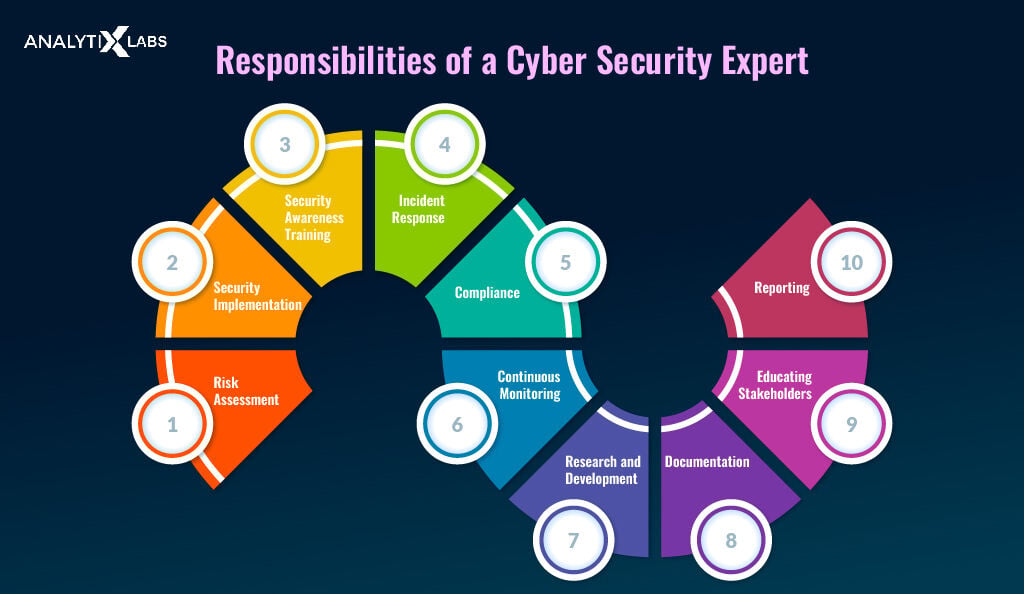
Responsibilities of a Cyber Security Expert


A cybersecurity expert is a key component of ensuring the safety of an organization's data, systems, and networks from cyber threats. Here are the core duties of a cybersecurity expert:

1. Risk Assessment and Management

  • Assess and determine vulnerabilities in the infrastructure of an organization.
  • Risk assessment must be conducted to determine future cyber threats.
  • Formulate and implement ways to address identified risks.

2. Network Security

  • Check for any suspicious network traffic.
  • Implement firewalls, intrusion detection systems (IDS), and intrusion prevention systems.
  • Ensure secure access control and manage permissions for users and systems.

3. Security Policy Development

  • Develop, update, and enforce security policies and procedures.
  • Incident response and disaster recovery plans.
  • Ensure compliance with industry regulations and standards like GDPR, HIPAA, and PCI-DSS.

4. Incident Response and Recovery

  • Detect, analyze, and respond to cybersecurity incidents in real time.
  • Examine security breaches to determine the root cause and the level of damage.
  • Coordinate the process of recovery, which can include data restoration and systems repair.

5. Threat Detection and Prevention

  • Scan vulnerability regularly and conduct penetration testing.
  • Follow the latest threats and vulnerabilities.
  • Use proactive measures against cyberattacks, such as patch management and endpoint protection.

6. Security Awareness Training

  • Train employees on how to recognize phishing scams, social engineering, and other cyber threats.
  • Train employees regularly so they remain updated on the best practices.

7. System and Application Security

  • Review and secure software applications and systems in development and deployment
  • Ensure use of encryption and application hardening with secure coding
  • Inspect third-party applications for their compliance with security

8. Cloud Security

  • Ensure proper cloud-based services and infrastructures are secure
  • Develop, implement, and control access and encryption for clouds
  • Monitor and mitigate all particular cloud risks (data leaks, misconfigurations etc)

9. Forensics and Investigation

  • Perform the process of digital forensics to analyze breaches with collection of evidence.
  • Collaborate with legal teams and law enforcement if needed.
  • Document findings for audits and compliance purposes.

10. Collaboration and Communication

  • Collaborate with IT teams, developers, and executives to ensure that security efforts are in line with business objectives.
  • Report on security metrics and incidents to management.
  • Serve as a contact point for external security auditors and consultants.

11. Continuous Monitoring and Updating

  • Implement and manage security monitoring tools (e.g., SIEM systems).
  • Upgrade the software, hardware, and protocols with new vulnerabilities.
  • Security audit from time to time

12. Compliance and Regulatory Compliance

  • Ensure that the security measures are in line with relevant laws and regulations.
  • Be prepared for and pass an external audit.
  • Maintain a record of up-to-date security practices.

13. Planning and Testing Contingency Plans

  • Test disaster recovery and business continuity plans periodically
  • Simulate attack scenarios to determine response effectiveness
  • Update the plans based on test results and new threats.


Key Tools Cybersecurity Experts Use:

  • SIEM Solution: Splunk, QRadar, or LogRhythm for monitoring.
  • Vulnerability Scanners: Nessus, Qualys, or OpenVAS.
  • Penetration Testing Tools: Metasploit, Burp Suite.
  • Endpoint Security Tools: CrowdStrike, Symantec.
  • Forensics Tools: EnCase, FTK, Autopsy.


 "Find Out What Your Website’s Missing – Let’s Talk Today"

Monday, December 16, 2024

Cybersecurity Jobs with High Salaries and In-Demand Skills

1. Chief Information Security Officer (CISO)

Responsibilities: An organization's cybersecurity strategy, policies, and risk management.

Salary: $150,000-$400,000/year depending on company size and region.

Skills in Demand:

Leadership and management

Risk assessment and mitigation

Compliance with regulations (e.g., GDPR, HIPAA)

Strategic planning for cybersecurity

Incident response management

2. Security Architect

Responsibilities: Designing and implementing security systems that protect networks and data.

Salary: $120,000-$200,000/year.

Skills in Demand:

Network architecture

Knowledge of firewalls, VPNs, and IDS/IPS

Threat modeling and vulnerability management

Cloud security architecture (AWS, Azure, GCP)

Cryptography

3. Penetration Tester (Ethical Hacker)

Role: The person simulates cyberattacks and detects vulnerabilities in the system.

Salary: $90,000–$150,000/year.

In-demand skills:

Ethical hacking tools- Metasploit, Burp Suite

Programming – Python, C, Bash

Knowledge of OWASP Top 10

Red team/blue team strategies

Certifications: CEH, OSCP, GPEN

4. Cybersecurity Engineer

Role: A person designs and implements security solutions to protect the IT infrastructure.

Salary: $100,000–$160,000/year.

In-demand skills:

SIEM tools- Splunk, QRadar

Incident detection and response

Threat hunting

Scripting and automation-Python, PowerShell

Certifications: CISSP, GSEC

5. Incident Response Analyst

Role: A person identifies and reduces cybersecurity incidents.

Salary: $85,000–$130,000/year.

Hot Skills:

Digital forensics (e.g., EnCase, FTK)

Malware analysis

Log analysis and threat detection

Communication and documentation

Certifications: GCFA, GCIH

6. Cloud Security Specialist

Job description: Secure cloud-based applications, services, and data.

Salary: $100,000-$180,000/year

Hot Skills:

Cloud platforms (AWS, Azure, GCP)

Identity and access management (IAM)

Cloud-native security tools (e.g., AWS GuardDuty, Azure Security Center)

DevSecOps practices

Certifications: AWS Certified Security, CCSP

7. Cybersecurity Consultant

Job description: Advise organizations to enhance their cybersecurity posture.

Salary: $90,000-$180,000/year

Hot Skills:

Risk assessment and management

Policy development and compliance

Technical and business acumen

Project management

Certifications: CISM, CRISC

8. Malware Analyst

Position: Analyzes malicious software and learns its behavior to reduce threat risks.

Salary: $80,000–$140,000/year.

Skills in Demand:

Reverse engineering (e.g., IDA Pro, Ghidra)

Malware detection and analysis

Programming skills (C, C++, Assembly)

Sandboxing tools

Certifications: GREM

9. Threat Intelligence Analyst

Job: Collects and analyzes information to identify potential threats or vulnerabilities.

Salary: $80,000–$130,000/year.

Skills in Demand:

Platforms for cyber threat intelligence (e.g., ThreatConnect)

Data analytics and visualization

Open-source intelligence (OSINT)

Threat hunting

Certifications: CTIA, CySA+

10. Blockchain Security Engineer

Job: Secures blockchain systems and applications.

Salary: $100,000–$200,000/year.

Skills in Demand:

Blockchain protocols and smart contracts

Cryptography

Secure software development

Incident response for blockchain platforms

Certifications: Certified Blockchain Security Professional (CBSP)

Key Certifications to Boost Your Career

CISSP (Certified Information Systems Security Professional)

CEH (Certified Ethical Hacker)

OSCP (Offensive Security Certified Professional)

CCSP (Certified Cloud Security Professional)

CompTIA Security+

How to Get Started

Build foundational IT knowledge: networking, system administration, and programming.

Gain certifications relevant to your chosen role.

Practice with real-world tools and scenarios such as Capture the Flag challenges, labs such as TryHackMe or Hack The Box.

Keep up with the latest threats and technologies.


"Find Out What Your Website’s Missing – Let’s Talk Today"

Thursday, December 12, 2024

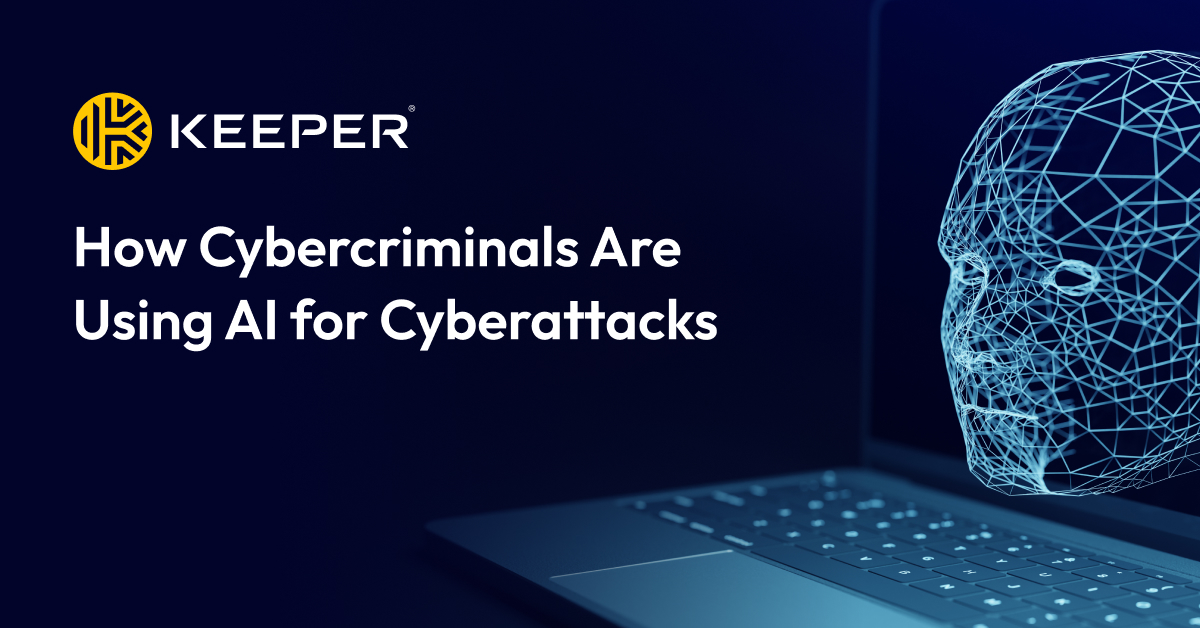
How Artificial Intelligence (AI) Is Being Used by Cybercriminals


Artificial Intelligence (AI) is a powerful tool that's being exploited not only by cybersecurity professionals but also by cybercriminals. Cyber adversaries are now using AI to increase the scale, sophistication, and effectiveness of their attacks. Here's how cybercriminals are using AI:


1. Automated Phishing Attacks

AI creates highly targeted phishing emails by gathering publicly available data on social media or company websites.

These emails seem more authentic, thus making the likelihood of the victims clicking on the malicious links or providing sensitive information higher.

2. Deepfake Technology

AI is utilized to create realistic audio and video deepfakes for impersonating executives or employees.

This is often utilized in business email compromise schemes or social engineering attacks for authorizing fraudulent transactions.

3. Malware Development

AI-powered malware can learn and adapt in order to evade detection by traditional security measures such as firewalls and antivirus software.

These types of malware use machine learning to bypass behavioral analysis and endpoint protections.

4. Credential Stuffing

AI accelerates brute-force attacks by automating the testing of stolen credentials across several accounts.

Machine learning increases the effectiveness of these attacks by identifying patterns in user behavior or password choices.

5. Evasion Techniques

Cybercriminals use AI to create polymorphic malware that changes its code to avoid detection.

AI can also adjust attack patterns in real-time to bypass intrusion detection systems (IDS) and endpoint detection and response (EDR) solutions.

6. Exploitation of Security Vulnerabilities

AI systems are used to scan vast networks for vulnerabilities faster than traditional tools.

AI models identify potential exploits in software by analyzing public or leaked data about systems and configurations.

7. Botnets and DDoS Attacks

AI makes botnets more coordinated and efficient for large-scale Distributed Denial of Service (DDoS) attacks.

Intelligent botnets can adapt to countermeasures and dynamically select the attack strategy.

8. Social Engineering at Scale

AI analyzes communication patterns and tailors social engineering attacks for specific individuals or organizations.

It helps craft realistic scenarios, making scams more believable.

9. Reconnaissance and Targeting

AI collects and analyzes data regarding potential targets by web scraping, social media mining, and dark web intelligence.

This makes for very precise targeting in spear phishing or ransomware type attacks.

10. Optimizing Ransomware

AI can optimize ransomware campaigns based on which particular targets would likely pay

AI optimizes the encryption processes, which makes it highly improbable for the data to be recovered without the key.


"Find Out What Your Website’s Missing – Let’s Talk Today"

What is SASE? & How does SASE Work?


What is Secure Access Service Edge (SASE)?

Secure Access Service Edge, or SASE, is a cloud-native framework that integrates networking and security functionalities into a unified platform. It addresses the problems brought about by cloud computing, remote work, and mobile-first environments through the following capabilities: 

1. SWG (Secure Web Gateway): This capability safeguards the users from malicious websites while enforcing internet access policies.

2. CASB: It provides visibility and control in the way of cloud applications and services.

3. FWaaS: Firewall-as-a-Service Provides cloud-hosted firewall capabilities for securing networks and users.

4. ZTNA (Zero Trust Network Access): Ensures secure access to applications by verifying user identity and device health.

5. SD-WAN: Software-defined wide area networking for optimization and security of traffic routing for reliability.


How Does SASE Work?

SASE works by integrating network and security capabilities into a cloud-delivered model. This is a general overview of how it works:

1. Cloud-Native Security

  • SASE utilizes cloud infrastructure for hosting security services, which enables them to be scalable and distributed all over the world. 
  • Security tools, such as CASB, SWG, and DLP, are delivered as services rather than requiring physical hardware or on-premises solutions. 

2. Identity-Driven Access

  • SASE uses identity-based policies for access to resources.
  • Access decisions are primarily on user identity, device posture, location, and context rather than using network location.

3. Zero Trust Network Access (ZTNA):

  • Zero trust forms the core of SASE wherein no entity, application, or device is automatically trusted.
  • Every request authenticated with the defined security policies accesses to be granted.

4. Integrated SD-WAN

  • SASE includes an aspect of software-defined wide area networking, which forms SD-WAN to be available for reliable and safe access.
  • SD-WAN dynamically routes traffic across multiple network paths, maximizing performance and prioritizing mission-critical applications.

5. Edge Delivery:

  • Security services are distributed across multiple points of presence (PoPs) in the cloud.
  • This provides low-latency access to users with robust security, regardless of where they are located.

6. Unified Policy Management:

  • Security administrators can create and enforce consistent security policies from a central console.
  • This delivers consistent protection across cloud, on-premises, and hybrid environments.

7. Real-Time Threat Detection and Response:

  • SASE combines advanced analytics and AI to monitor and detect threats in real time.
  • Automated responses and updates help mitigate vulnerabilities and reduce response times.


Key Components of SASE

  • Secure Web Gateway (SWG): Protects users from malicious websites and enforces internet access policies.
  • Cloud Access Security Broker (CASB): Provides visibility and control over cloud applications and services.
  • Zero Trust Network Access (ZTNA): Enables secure access to applications based on user identity and device health.
  • Firewall-as-a-Service (FWaaS): Provides cloud-hosted firewall capabilities for the protection of networks and users.
  • SD-WAN: Assures the best possible, as well as secure, traffic flow.


Benefits of SASE

  • Simplified IT Management: Integrates several functions in a single solution.
  • Improved Security: Ensures uniform policies for all users and devices.
  • Better User Experience: Provides fast and secure access to resources.
  • Cost Effectiveness: Minimizes reliance on physical infrastructure.

The SASE model is a transformative solution for modern enterprises, safe and seamless connectivity in the increasingly distributed and cloud-centric world.


"Find Out What Your Website’s Missing – Let’s Talk Today"

𝐄𝐯𝐨𝐥𝐮𝐭𝐢𝐨𝐧 𝐨𝐟 𝐒𝐞𝐥𝐟-𝐒𝐭𝐨𝐫𝐚𝐠𝐞 𝐔𝐧𝐢𝐭𝐬 𝐭𝐨 𝐌𝐞𝐞𝐭 𝐃𝐞𝐦𝐚𝐧𝐝𝐬 𝐨𝐟 𝐃𝐢𝐠𝐢𝐭𝐚𝐥 𝐒𝐞𝐜𝐮𝐫𝐢𝐭𝐲

  The self-storage units have transformed dramatically to respond to the increased demands of digital security. Self-storage facilities that...